Kenji Miyazawa Ame ni mo Makezu YouTube
La lluvia no me derrotará (Ame ni mo Makezu) Chocobuda Budismo Soto Zen y minimalismo para

One act of reappropriation through anime : 'Ame ni mo makezu' as part of a Miyazawa Kenji's media mix In this balance between specific moments and frequent and potential updating, we have seen the resurgence of this poem for all commemorations about the 10 year-old Tôhoku disaster. 'Ame ni mo makezu' often plays a role in the memorial events.
Metafora Dalam Haiku AME NI MO MAKEZU Karya Miyazawa Kenji PDF

Has translated many picture books from English to Japanese and vice versa, including English versions of Miyazawa Kenji's "Ame ni mo makezu" (Rain Won't) and "Yamanashi" (Mountain Stream).
Omaru Polka reading "Ame ni mo makezu" by Kenji Miyazawa. r/Hololive

Miyazawa Kenji (1896-1933). Ame ni mo Makezu was published posthumously but has become one of the most famous of all Japanese poems. If you are like me and find katakana hard to read, Wikipedia kindly updated it into modern Japanese for us. I'm also including the English translation they provided.
Ame ni mo makezu Kenji Miyazawa YouTube

Ame ni mo makezu. Ame ni mo makezu (雨ニモマケズ, 'Be not Defeated by the Rain') [1] is a poem written by Kenji Miyazawa, [2] a poet from the northern prefecture of Iwate in Japan who lived from 1896 to 1933. It was written in a notebook with a pencil in 1931 while he was fighting illness in Hanamaki, and was discovered posthumously.
The Life, Works and Themes of Kenji Miyazawa Takarabako

Kenji Miyazawa is undoubtedly one of Japan's most highly regarded writers of fantasy fiction. Book 1 of Tales From A Japanese Dreamland is an introduction to Kenji's writing through his well-known poem Ame-ni-mo makezu and the story of Kenju, which can be thought of as an extension of that poem.
Photos de Kenji Miyazawa
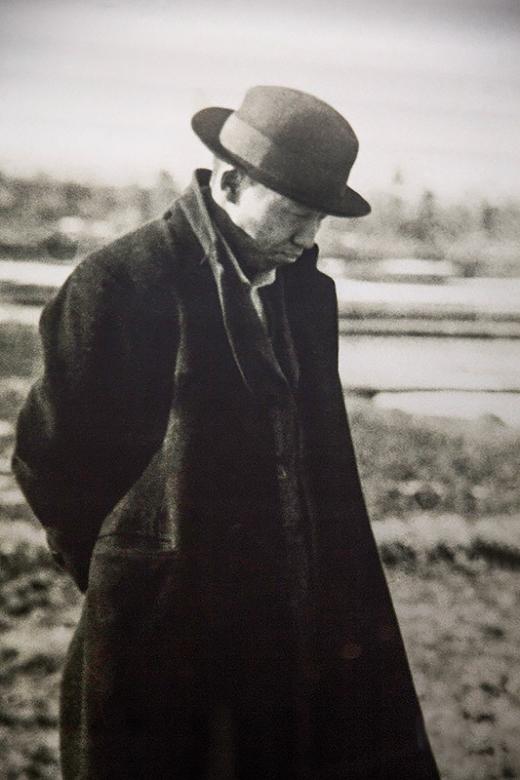
Kenji wrote his most famous poem, "Ame ni mo makezu", in his notebook on November 3, 1931. Keene was dismissive of the poetic value of the poem, stating that it is "by no means one of Miyazawa's best poems" and that it is "ironic that [it] should be the one poem for which he is universally known", but that the image of a sickly and dying Kenji.
Miyazawa Kenji [Amenimo makezu]/Japanese Audiobooks /Literary Recitation YouTube

Tomo: Friendship Through Fiction— An Anthology of Japan Teen Stories. Edited and with a Foreword by . Holly Thompson. Stone Bridge Press, March 2012 978-1-61172-006-8| $14.95 US • $16.50 CAN . Trade Paper | 384 pages . 5 ½" x 8 ½" B&W illustrations *also available as an eBook: 978-1-61172-518-6 One year after the 2011 Great East Japan earthquake, this collection brings teens closer.
Ame Ni Mo Makezu Kenji Miyazawa PDF

Experience the profound beauty of Miyazawa Kenji's timeless poem, 'Ame ni mo Makezu' (Not Losing to the Rain). Delve into the depths of resilience and determ.
雨ニモマケズ [Ame ni mo makezu] by Kenji Miyazawa

Ame ni mo Makezu was published posthumously but has become one of the most famous of all Japanese poems.雨ニモマケズ風ニモマケズ雪ニモ夏ノ暑サニモマケヌ丈夫ナカラダ.
宮沢賢治 雨ニモマケズ 朗読[女優 長岡輝子]『北ニケンクヮヤソショウガアレバ』Rain won't(Ame ni mo makezu)Kenji Miyazawaラジオドラマ 教養

A month after the disaster news reports began to surface of people accessing Kenji's poem "Ame ni mo makezu" (trans. "Undefeated by the Rain") online—by one account more than 40,000 times.
You Know What It Is — bakugou, ch. 362 // miyazawa kenji, ame ni mo...

On November 3, 1931, two years before his death, Miyazawa wrote the untitled poem that begins with the line, "Neither yielding to rain" (ame ni mo makezu), which is perhaps the most popular of his poems. neither yielding to rain nor yielding to wind yielding neither to snow nor to summer heat with a stout body like that without greed never.
Japanese Literature Before Sleeping "Amenimo Makezu" (Unbeaten by the Rain) Kenji Miyazawa

Kenji Miyazawa. His name is written as 宮沢賢治 in Japanese, and translated as 宮澤賢治 in Traditional Chinese. Kenji Miyazawa (1896-1933) was born in Iwate, one of the northernmost prefectures in Japan. In high school, he studied Zen Buddhism and developed a lifelong devotion to the Lotus Sutra, a major influence on his writing.
Japanese Literature and Bungou Stray Dogs — Happy Birthday Miyazawa Kenjisensei!

line, "Ame ni mo makezu" or "Strong in the Rain" (Sato, 2007, p. 45). After the disaster, this poem was read by actor Ken Watanabe in a YouTube video that was viewed nearly a million times (Pulvers, 2011, p. 2). This swell in appreciation for Miyazawa's work was only the latest wave in the rising tide of Miyazawa's popularity.
宮沢賢治『雨ニモマケズ』 MIYAZAWA Kenji『Ame ni mo makezu』 朗読 字幕 詩 YouTube

After Miyazawa Kenji's death, a single, black notebook was found in a pocket in the lid of his favourite trunk. This is the famous "Ame ni mo makezu" notebook. The poem is written in midst of his repetitious copying of "namu myoho renge kyo" (*) which shows his earnest nature and his reflections on letting go of the desire for pleasure.
宮沢賢治 「雨ニモマケズAme Ni Mo Makezu」 朗読・山波言太郎/リラ合唱付 Kenji Miyazawa YouTube

Translation of "Ame ni mo makezu" and other selected poems, with commentary on the poems; Miyazawa Kenji in kanji on t.p. Imprint Tarset, Northumberland : Bloodaxe Books, 2007.. Kenji Miyazawa (1896-1933) is now widely viewed as Japan's greatest poet of the 20th century. Little known in his lifetime, he died at 37 from tuberculosis, but has.
Ame ni mo Makezu (雨ニモマケズ Unbeaten by the Rain) Kenji Miyazawa Japanese Poetry Audio YouTube

Miyazawa Kenji was writing his poetry and fiction in an era of intense nationalism and military adventure.. "Ame ni mo makezu," (trans. "Strong in the Rain"), a kind of prayer of self.